 vs

Airmeet vs Hyperspace
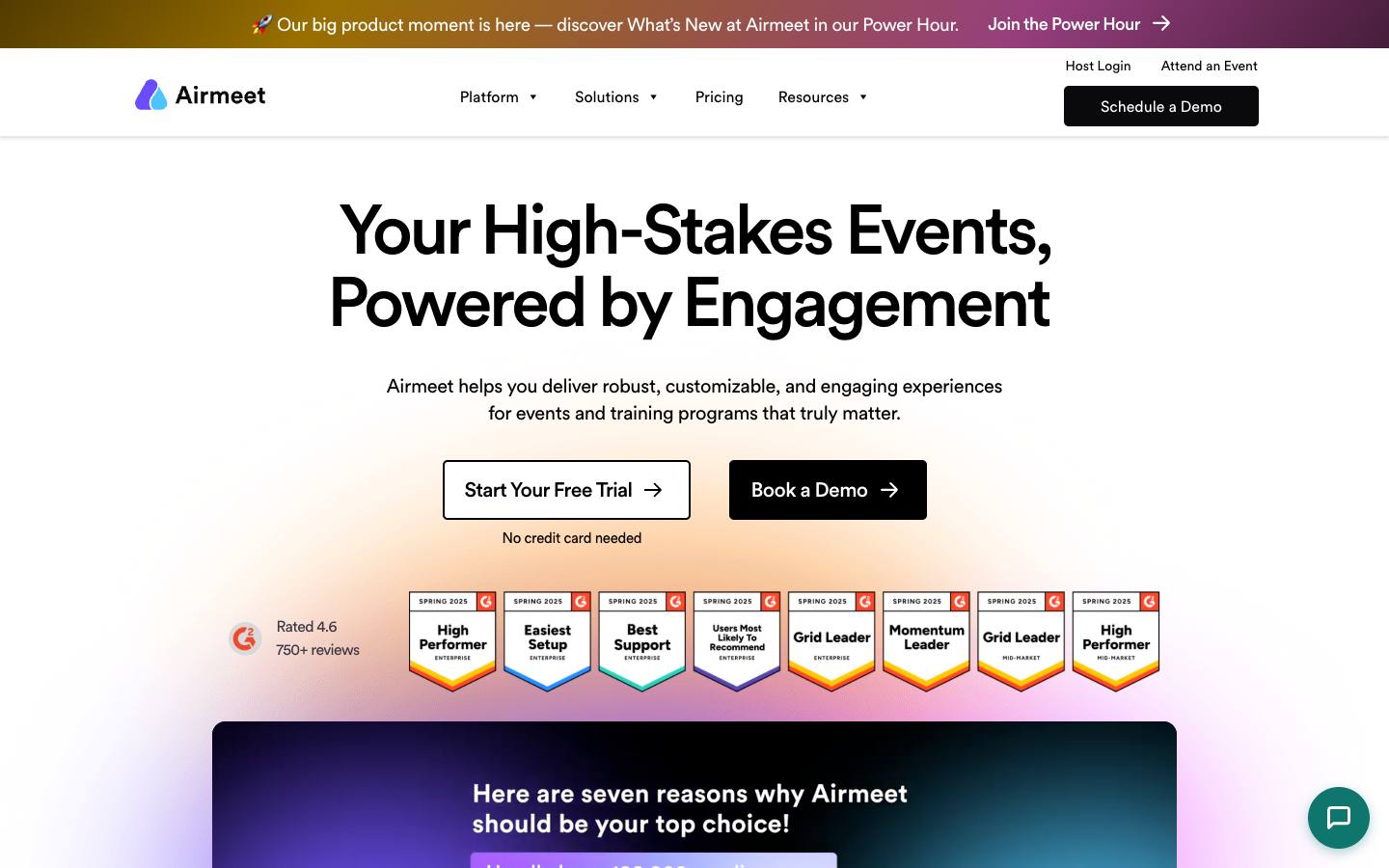
Both are in our Virtual, webinar & streaming category. Airmeet is best for marketing teams running webinar series and virtual conferences that need strong attendee networking; Hyperspace is best for teams wanting an immersive 3D virtual venue for conferences, expos or product demos.
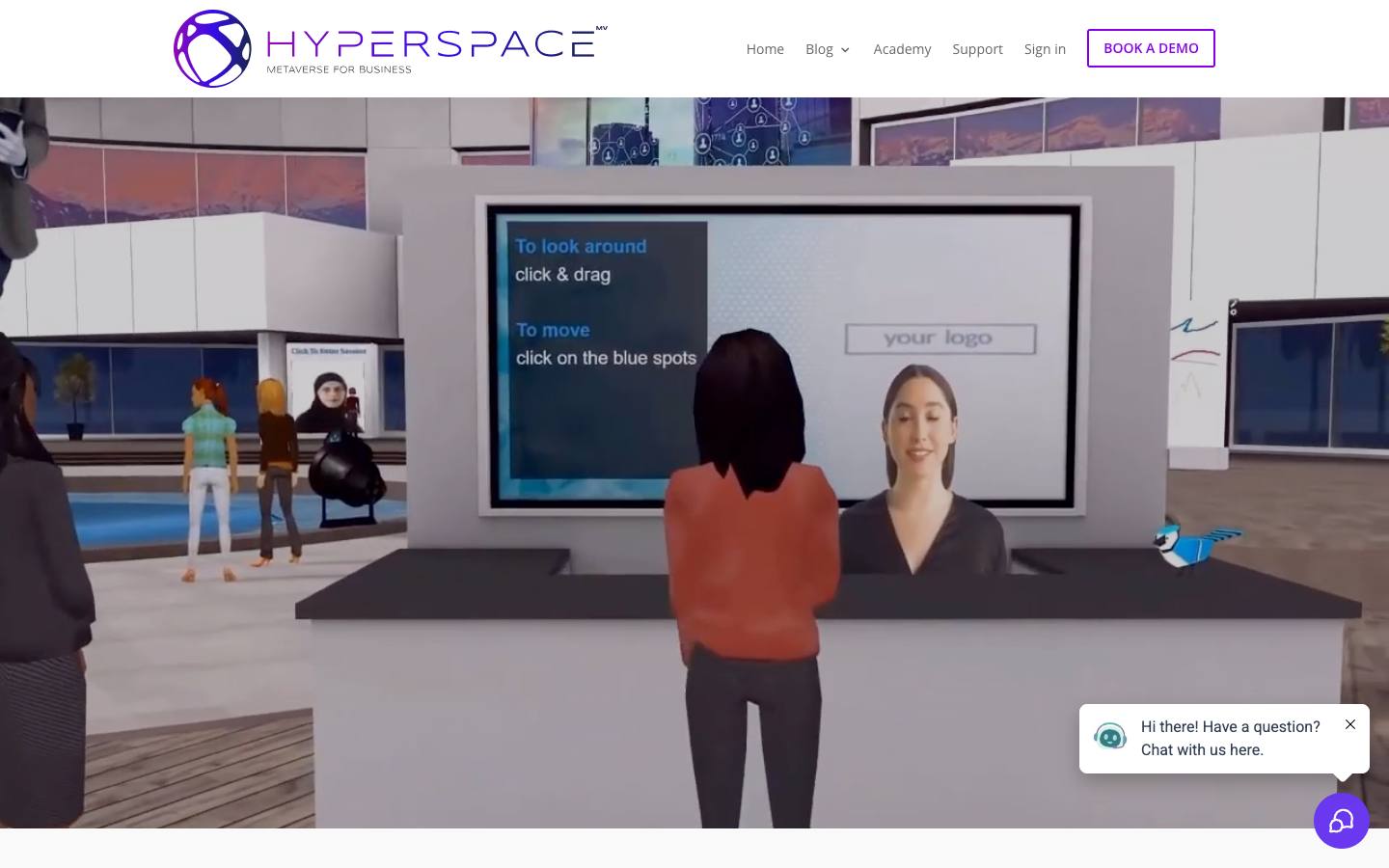
The short answer: Airmeet is a virtual-first webinar and event platform known for speed networking and lounges, with Premium Webinars from $167/month billed yearly and 38 listed integrations. Hyperspace builds no-code 3D venues that run in a browser or on VR headsets, and now leans toward AI roleplay training. Pick Airmeet for webinar series and hybrid events; pick Hyperspace for an immersive 3D venue.
Built from each vendor's own website and our research profiles. How we research
Side by side
“Not published” means we couldn't find it on the vendor's own pages.
AirmeetHyperspaceStrengths and considerations
Airmeet
What stands out
- Social networking formats (speed networking, lounges, tables) are a core strength
- Self-serve webinar tier with a published price alongside enterprise event plans
- Pricing based on attendee capacity rather than number of events
- AI repurposing tools for summaries, blogs and social content from sessions
Worth checking
- Virtual-first; in-person capabilities are limited to hybrid add-ons rather than full onsite check-in and badging
- Branding, SSO, 3D stages and some hybrid features are paid add-ons
- GDPR and HIPAA aren't addressed on the security page, so regulated buyers should confirm requirements
Hyperspace
What stands out
- Immersive 3D venues accessible in a browser and on VR headsets
- Same platform serves virtual events and AI-driven training
- No-code building with templates
Worth checking
- Homepage positioning now centres on AI roleplay and training, so event features may receive less investment
- Pricing isn't published
- Some VR/AR experiences need extra hardware
Notable customers
Organizations each vendor names on its own website: customer stories first, then testimonials and logos.
Airmeet
The main difference between Airmeet and Hyperspace
The main difference is the attendee experience each one is built around. Airmeet gives attendees a conventional event layout (stage, backstage, expo booths, lounges, speed networking and breakout rooms) and treats webinars as a core format. Hyperspace places attendees as avatars inside themed 3D spaces with voice and text chat, built in a no-code editor with 50+ templates and open on phones, laptops and VR or AR headsets.
Airmeet covers virtual, hybrid and webinar formats and serves marketing, HR, internal comms and L&D teams. Hyperspace runs virtual and webinar events only, and its homepage now centers on AI-avatar roleplay and training, so it is worth asking how much of the roadmap is for events. Airmeet is virtual-first as well; its in-person capabilities are hybrid add-ons rather than full onsite check-in and badging.
Airmeet vs Hyperspace pricing
Airmeet publishes more than Hyperspace does. Its Premium Webinars plan starts at $167/month billed yearly ($199 billed monthly) and includes 2 team members, webinars from 100 attendees up to 10,000, live, simulive and on-demand formats, CRM integrations and 12 hours of sessions per event (checked October 2026). Pricing is based on attendee capacity with unlimited events inside the plan. The Events plan is a personalized quote with 5 team members, in-person, virtual and hybrid formats, multi-track sessions and a dedicated customer success manager. Managed Events, the full-service tier, start at $4,999; agencies pay per attendee with zero platform fee. Airmeet offers a free trial but no free plan.
Hyperspace publishes no prices, has no free plan or trial, and routes buyers through a demo request. Its site suggests starting with a single-use-case pilot. Because one side publishes and the other doesn't, the fair comparison is a quote against a plan of the same attendee size. Airmeet lists branding, SSO, 3D stages and some hybrid features as paid add-ons, so ask for those in the quote.
Features and integrations
Both include ticketing, polls, Q&A, chat and analytics. Airmeet adds a speaker backstage, audience-to-stage promotion, multi-channel streaming, a built-in recording studio called Airstudio, optional 3D stages and AirGenie, which turns sessions into summaries, blogs and social posts. Hyperspace adds custom 3D models, avatars, and tracking of completions and choices for training sessions.
Integrations are the widest gap. Airmeet lists 38, including Salesforce, HubSpot, Marketo, Oracle Eloqua, Pardot, Microsoft Dynamics, Pipedrive, Zapier, Power Automate and a public API. Hyperspace lists 2, both unnamed LMS connections. Its homepage claims 100+ integrations but names none, so a team that needs CRM sync should ask which are native.
On security, Airmeet documents SOC 2 Type 2 with the report by request, ISO 27001:2022 and a public subprocessor table. We didn't find a SOC 2 or ISO 27001 report on Hyperspace's public pages; its homepage mentions enterprise SSO and says it supports GDPR requirements.
Which should you choose?
Choose Airmeet if you run webinar series, virtual conferences or hybrid events and need CRM sync with Salesforce, HubSpot or Marketo, a published starting price, or documented SOC 2 and ISO 27001. It is the lower-risk option for marketing teams that want attendee networking formats and self-serve onboarding on the webinar tier. Its customers include Capgemini, Kaiser Permanente, Comcast and PwC.
Choose Hyperspace if the venue itself is the draw: a themed 3D expo, product demo or immersive conference, possibly with VR headset access, or if your L&D team wants events and scenario-based training on one platform. It targets mid-market and enterprise teams, and customers include Novartis, Intuit, Fujitsu and Banco Santander. Confirm event roadmap and some VR hardware needs before committing.