 vs

Airmeet vs Communique Conferencing
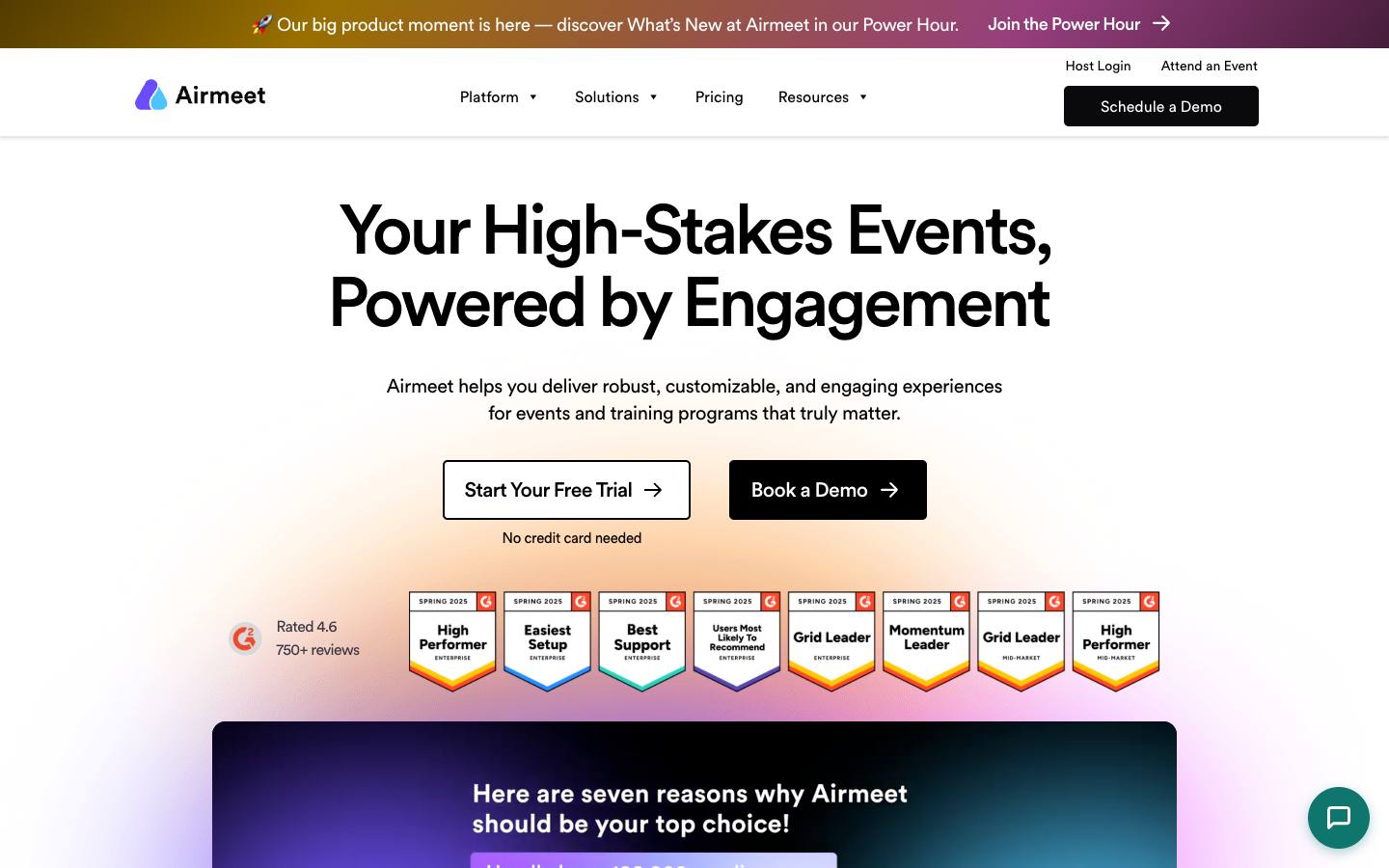
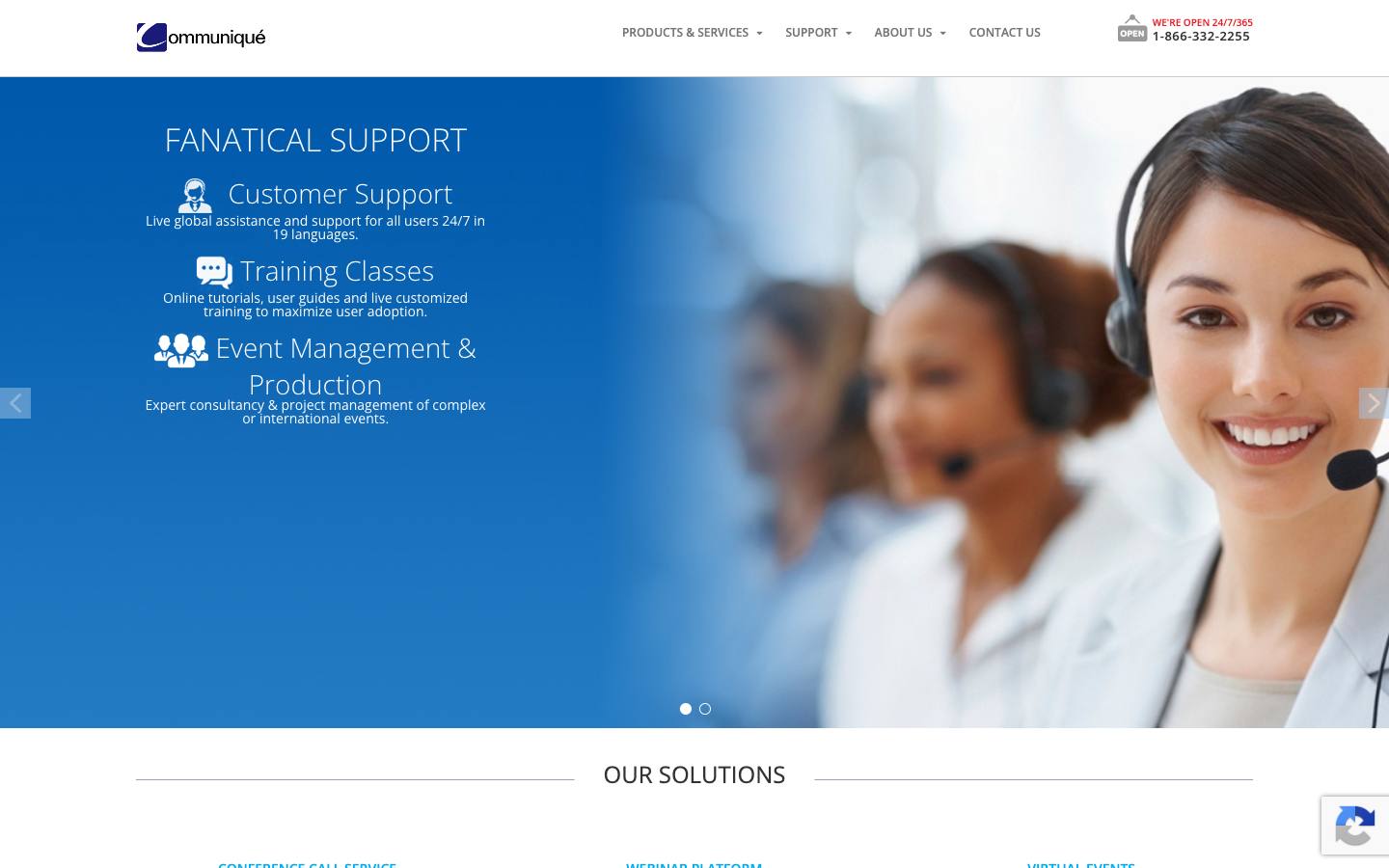
Both are in our Virtual, webinar & streaming category. Airmeet is best for marketing teams running webinar series and virtual conferences that need strong attendee networking; Communique Conferencing is best for organizations wanting operator-assisted calls and managed webcasts.
The short answer: Airmeet is a self-serve virtual and hybrid event platform with published pricing from $167/month billed yearly and 38 listed integrations. Communique Conferencing is an operator-assisted provider of conference calls, webinars and webcasts, founded in 2001, that quotes on request. Pick Airmeet to run networking-heavy online events yourself; pick Communique if you want a team to host them for you.
Built from each vendor's own website and our research profiles. How we research
Side by side
“Not published” means we couldn't find it on the vendor's own pages.
AirmeetCommunique ConferencingStrengths and considerations
Airmeet
What stands out
- Social networking formats (speed networking, lounges, tables) are a core strength
- Self-serve webinar tier with a published price alongside enterprise event plans
- Pricing based on attendee capacity rather than number of events
- AI repurposing tools for summaries, blogs and social content from sessions
Worth checking
- Virtual-first; in-person capabilities are limited to hybrid add-ons rather than full onsite check-in and badging
- Branding, SSO, 3D stages and some hybrid features are paid add-ons
- GDPR and HIPAA aren't addressed on the security page, so regulated buyers should confirm requirements
Communique Conferencing
What stands out
- Highly service-led with live operators and event managers
- Covers audio, webinar and virtual trade show formats under one provider
- Round-the-clock support in many languages
Worth checking
- Website and policies appear dated (privacy policy from 2018)
- Little detail on integrations, security certifications or product roadmap
- Some offerings are resold third-party platforms such as Zoom
Notable customers
Organizations each vendor names on its own website: customer stories first, then testimonials and logos.
Airmeet
Communique Conferencing
None found on its website.
The main difference between Airmeet and Communique Conferencing
Airmeet is software you operate, and Communique Conferencing is a service where staff operate the event with you. Airmeet gives marketing, HR and L&D teams a stage and backstage, speed networking, lounges, expo booths, polls and an Airstudio recording studio, and it supports virtual, hybrid and webinar formats. Communique centers on reservationless and operator-assisted conference calls, webinars, webcasting and virtual trade shows or career fairs, with event project management included.
Both sell webinars, which is where they overlap. Past that, they serve different buyers. Airmeet's networking formats and attendee analytics suit demand-gen programs, while Communique's live phone support in 19 languages and managed calls suit organizations that want a person on the line. Communique also resells Zoom, so part of what it delivers is a third-party platform.
Airmeet vs Communique Conferencing pricing
Airmeet publishes a starting price (checked October 2026). Premium Webinars starts at $167/month billed yearly, with $199 on monthly billing, and includes 2 team members, webinars from 100 attendees up to 10,000 and CRM integrations. Higher tiers are by quote: the Events plan adds 5 team members, multi-track sessions and a dedicated customer success manager, and the Agency Plan charges zero platform fee with pay-per-attendee registrations. Managed Events, where Airmeet's team runs the event, starts from $4,999 for a brand conference. Airmeet offers a free trial but doesn't state its length.
Communique Conferencing doesn't publish prices; they're on request. It advertises a 30-day risk-free trial, which is a clearer trial term than Airmeet gives. To compare costs, price the same audience size and number of events with each, and include any host or operator fees on the Communique side.
Features and integrations
Airmeet lists 38 integrations, including Salesforce, HubSpot, Marketo, Oracle Eloqua, Microsoft Dynamics, Pipedrive, Stripe and Zapier, plus a public API and webhooks. Its AirGenie suite generates event summaries and repurposed content from recordings. Communique lists only 2 integrations, both Zoom resale entries, and no CRM or marketing automation connector.
Airmeet documents SOC 2 Type 2, ISO 27001:2022 and a public subprocessor list. We didn't find security certifications on Communique's public pages, where the privacy policy dates from 2018, so ask for its security documentation directly if you handle sensitive content. Airmeet is virtual-first, and in-person support comes mostly through hybrid add-ons rather than full onsite check-in and badging. Communique doesn't list hybrid or in-person events at all.
Which should you choose?
Choose Airmeet if your team runs webinar series, virtual conferences or town halls on its own, needs attendee networking and wants attendance data flowing to Salesforce or HubSpot. It also works for agencies, given the per-attendee plan, and for buyers who want the option of Airmeet's managed production.
Choose Communique Conferencing if you'd rather have operators and event managers run calls and webcasts for you, need round-the-clock phone support in many languages, or want a virtual trade show or career fair with vendor help. Check the integration and security questions in writing first.