 vs

Jugo vs Vbrick
Both are in our Virtual, webinar & streaming category. Jugo is best for enterprise brand and internal comms teams producing high-visibility virtual launches, town halls and summits; Vbrick is best for large enterprises streaming town halls, earnings calls and internal events to tens of thousands of viewers.
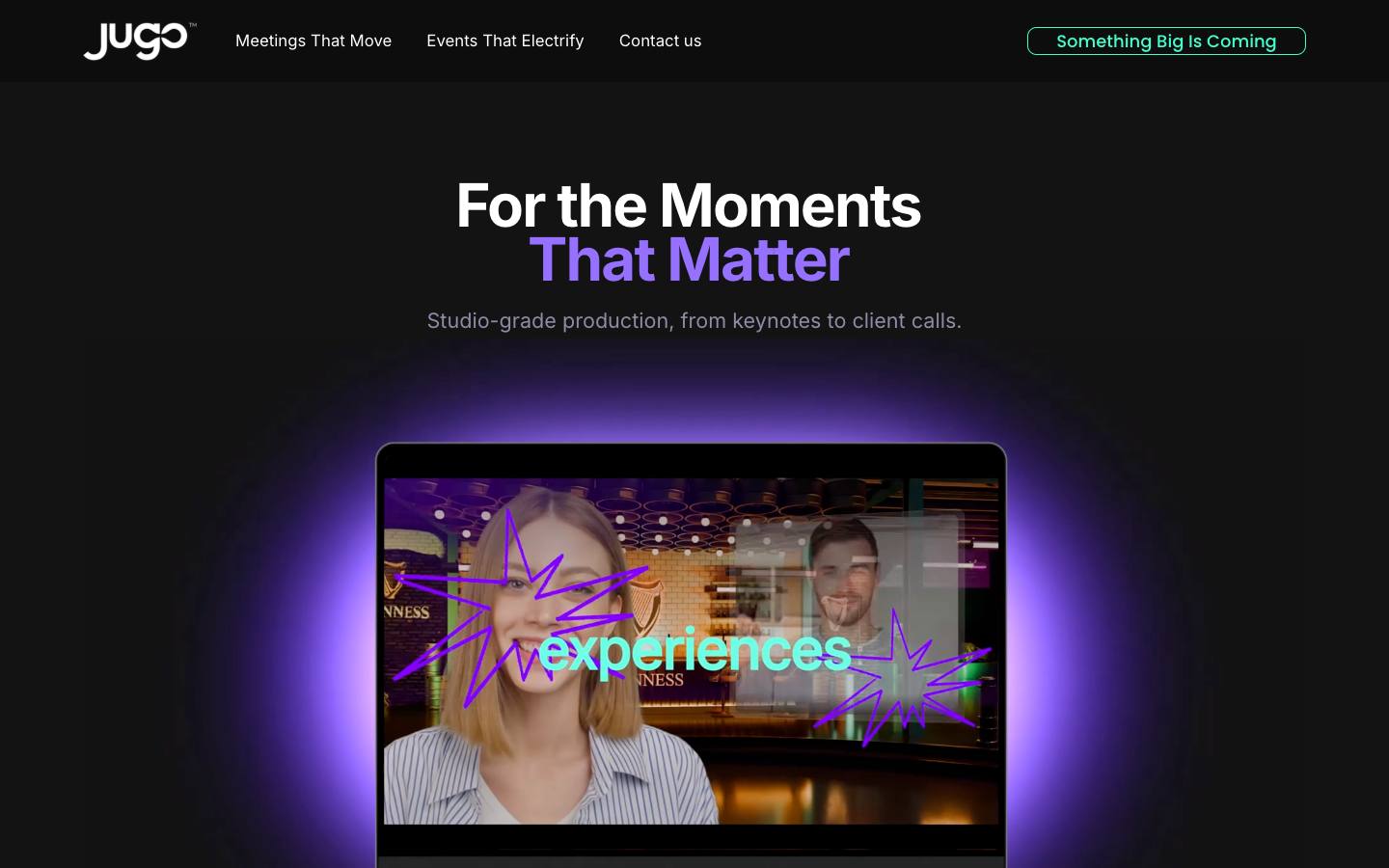
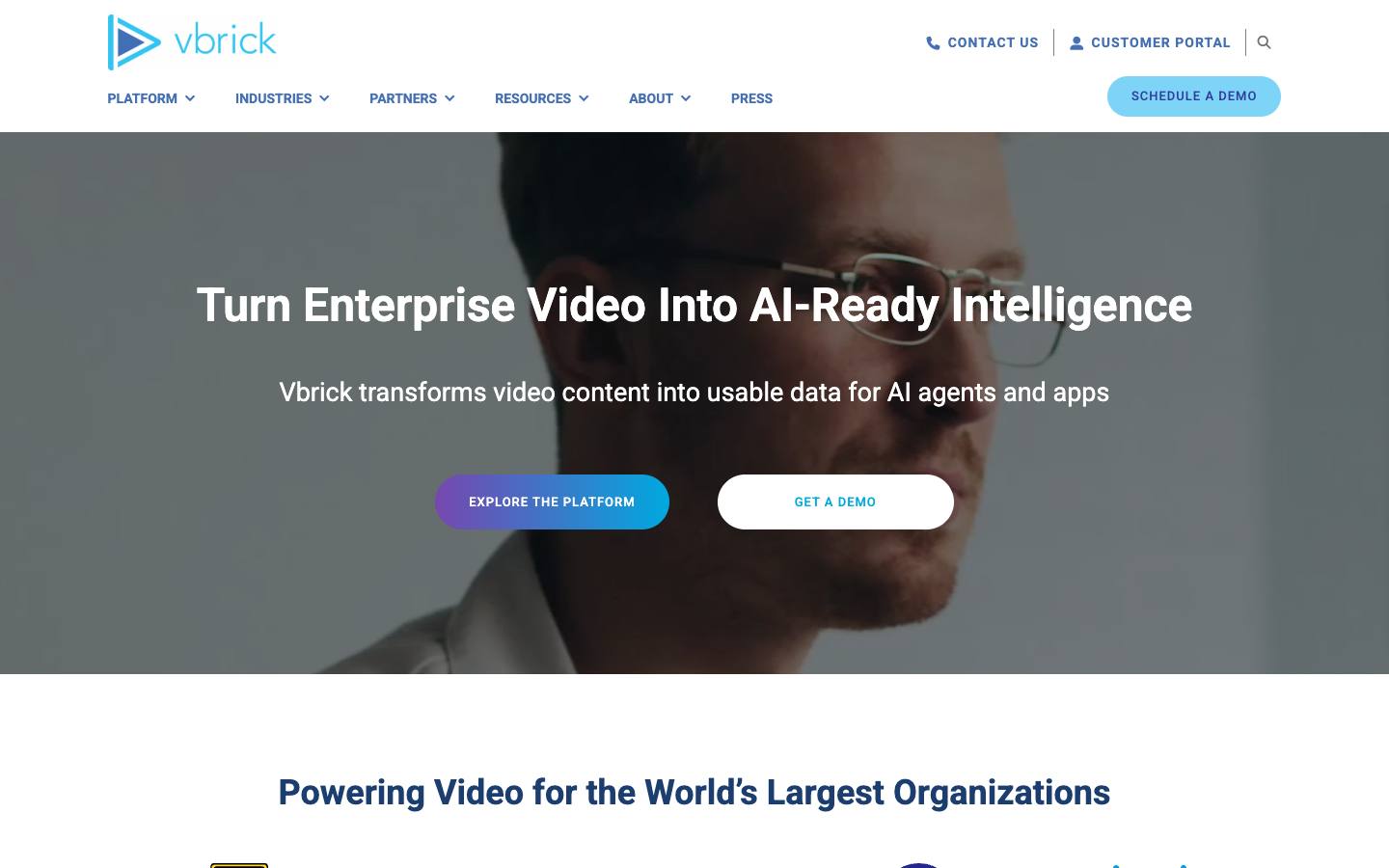
The short answer: Jugo is a managed production studio: a dedicated producer builds custom 3D virtual sets for launches, town halls and summits, and a newer Meetings product brands Zoom or Teams calls. Vbrick is an enterprise video platform with live webcasting, an enterprise CDN and a managed video library for streaming to very large internal audiences. Neither publishes prices. Choose Jugo for a produced brand moment, Vbrick for secure, repeatable streaming at scale.
Built from each vendor's own website and our research profiles. How we research
Side by side
“Not published” means we couldn't find it on the vendor's own pages.
JugoVbrickStrengths and considerations
Jugo
What stands out
- Broadcast-quality 3D virtual sets built on game-engine technology rather than standard webinar layouts
- White-glove production model with a dedicated producer per event
- Strong roster of consumer and sports brands using it for fan and launch events
Worth checking
- Primarily a managed service; there's no self-serve event platform, registration or event marketing tooling
- No published pricing, and productions are scoped per project
- Salesforce and HubSpot integrations are listed as coming soon; the Meetings product appears newly launched, so confirm availability
Vbrick
What stands out
- Only enterprise video platform claiming FedRAMP certification
- Built-in eCDN for very large internal live audiences
- Positions video as AI-ready enterprise data via an MCP server
Worth checking
- Built for internal and corporate communications rather than registration-led marketing events
- Pricing isn't published
- Lead capture and marketing automation features are limited compared with webinar marketing tools
Notable customers
Organizations each vendor names on its own website: customer stories first, then testimonials and logos.
The main difference between Jugo and Vbrick
Jugo sells a produced show, while Vbrick sells streaming infrastructure. Jugo's producers handle creative, speaker rehearsals, live moderation and a post-event debrief inside custom 3D environments, priced per project. Its customers include Coca-Cola, Nokia, T-Mobile and several sports clubs, and the audience experience is broadcast-style, with live questions and interactive formats alongside one-way streams.
Vbrick gives a large organization its own tools: live webcasting with automatic recording to a central library, a browser-based producer tool, and an enterprise CDN (peer-to-peer, edge caching and multicast) so big internal audiences don't saturate the network, including for Microsoft Teams and Webex. Its AI layer generates summaries, tags and chapters, and offers translation and dubbed audio in 100+ languages.
Both target enterprise buyers and both cover virtual and webinar formats. Vbrick also runs hybrid events. The overlap is the town hall: Jugo makes it a produced experience, Vbrick makes it a reliable broadcast.
Jugo vs Vbrick pricing
Neither publishes a starting price. Jugo prices productions per project based on scale, scope and creative needs, and doesn't publish Meetings pricing. Vbrick is quote-based and sales-led, with demos and professional services during implementation. Neither has a free plan or trial, so the practical comparison is two quotes: a per-production fee from Jugo against a platform contract from Vbrick, and which fits depends on how many events you run in a year.
Features and integrations
Jugo lists 3 integrations: Zoom, Microsoft Teams and calendar sync, with Salesforce and HubSpot shown as coming soon. Vbrick lists 12, including Microsoft Teams, Webex, ServiceNow, Box, Pexip, Citrix and LDAP, plus APIs, SDKs and an MCP server that connects video data to assistants such as Claude. Neither lists Salesforce or HubSpot today.
On security, both document SOC 2 Type II: Jugo's Meetings FAQ states it, and Vbrick's security page says it's audited. Vbrick also documents SCIM provisioning, a customer data protection addendum, a sub-processor list and a trust center, and it claims FedRAMP certification, which matters to government and regulated buyers. Jugo documents SAML SSO in its Meetings FAQ; we didn't find SAML SSO on Vbrick's public pages.
Which should you choose?
Choose Jugo if you want a high-visibility product launch, summit or fan event where a producer takes the work off your team and the set itself is part of the message. It's a managed service, so expect no self-serve registration or marketing tools.
Choose Vbrick if you stream often to tens of thousands of employees or investors, need FedRAMP-level controls or network-friendly delivery, or want a searchable video library afterward. It's built for corporate communications more than registration-led marketing events, so lead capture is limited.