 vs
Dreamcast vs Huodongxing
Both are in our Registration & ticketing category. Dreamcast is best for organizers of large expos, tech weeks and conferences in India and the Middle East; Huodongxing is best for organizers running conferences, expos and summits in mainland China.
The short answer: Dreamcast is a Jaipur-based registration and onsite check-in platform that owns its kiosks, RFID and facial-recognition hardware and charges from $0.18 per attendee. Huodongxing is a Beijing event marketplace and ticketing platform with a free tier for up to 2,000 registrations and an interface in Simplified Chinese only. Choose Dreamcast for large expos in India and the Middle East, Huodongxing for mainland China.
Built from each vendor's own website and our research profiles. How we research
Side by side
“Not published” means we couldn't find it on the vendor's own pages.
DreamcastHuodongxingStrengths and considerations
Dreamcast
What stands out
- Owns its check-in hardware and provides onsite execution teams for very large crowds
- Transparent per-attendee pricing with no subscription fee for self-serve users
- India-specific capabilities such as Aadhaar-based verification and WhatsApp messaging
- Broad combined offering of software, onsite hardware and managed services, including event apps, expo management, virtual events and cashless payments
Worth checking
- Operations are concentrated in India and the UAE; support coverage elsewhere should be confirmed
- AI capabilities are described only in general terms
- Named third-party integrations aren't listed publicly
- Most onsite capabilities are delivered as services, so scope and pricing vary by event
Huodongxing
What stands out
- Combines a consumer-facing event marketplace with organizer tools, giving events built-in promotion in China
- Offers private-cloud deployment on major Chinese cloud providers
- Livestreaming and ticketing in one domestic platform
Worth checking
- Interface and support are Chinese-only and focused on mainland China
- No Western CRM or marketing-automation integrations are listed
- Ticket-sales fees aren't stated on the pricing page
Notable customers
Organizations each vendor names on its own website: customer stories first, then testimonials and logos.
Dreamcast
Huodongxing
None found on its website.
The main difference between Dreamcast and Huodongxing
The main difference is the market each one is built for. Dreamcast, founded in 2010 and headquartered in Jaipur, combines registration software with its own check-in hardware and onsite crews for large crowds. It supports Aadhaar-based identity verification for Indian events and sends WhatsApp reminders, with offices in four Indian cities and Dubai.
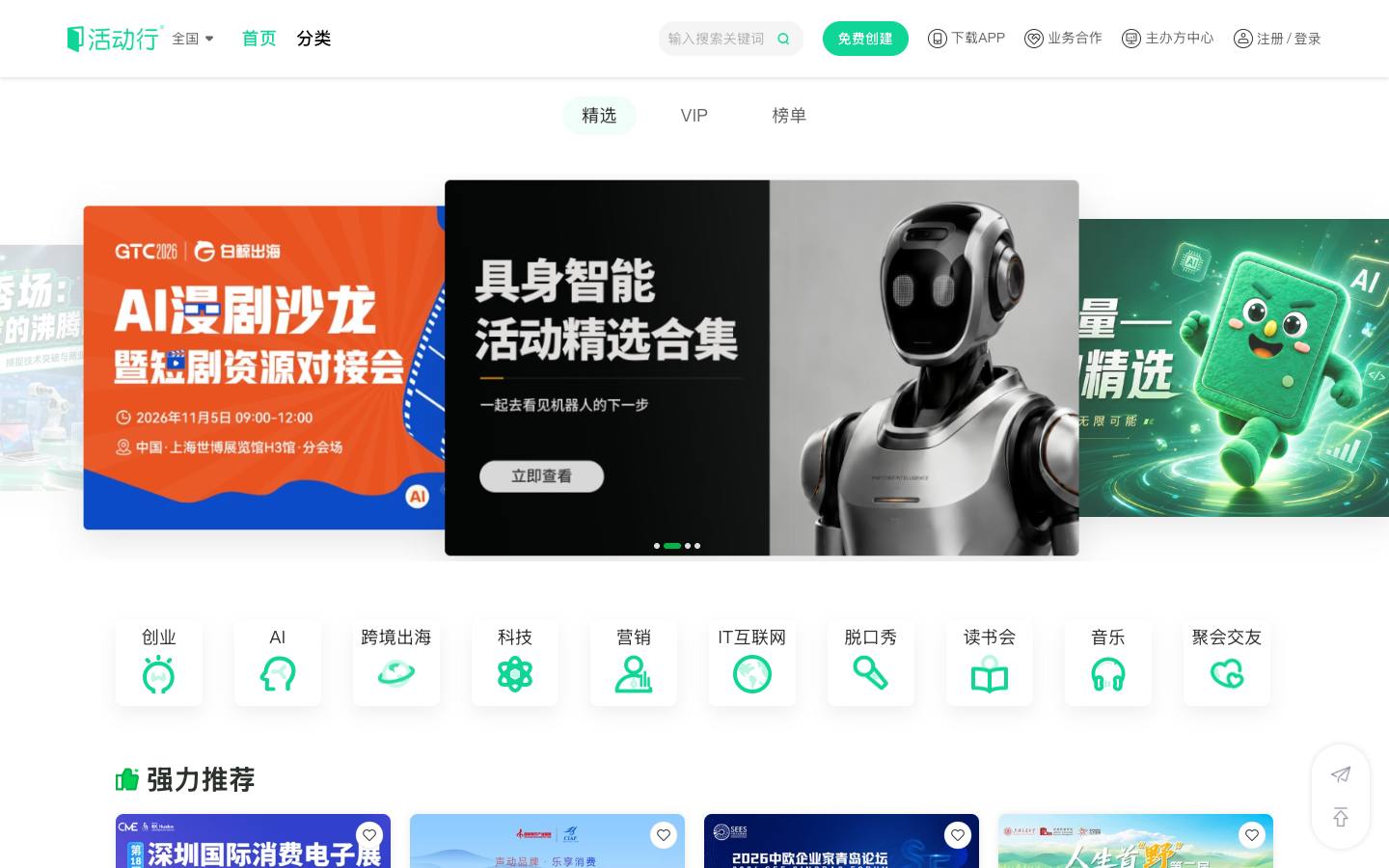
Huodongxing, founded in 2012 in Beijing, is both an organizer tool and a consumer marketplace where attendees browse events by city and category, so listed events get built-in promotion in China. It sells tickets through WeChat Pay and Alipay, supports WeChat login, and adds livestreaming on a paid tier. Its interface and support run in Chinese, and it is aimed at mainland organizers.
Dreamcast vs Huodongxing pricing
Dreamcast publishes one self-serve plan (checked October 2026). Flex costs $0.18 per attendee for the first 10,000, $0.12 for the next 40,000 and $0.08 for the next 50,000, with no platform fee or subscription. Billing is annual with a minimum of 1,000 attendees a year, which the page shows as ₹15,000. Enterprise managed services and the Agency plan are quote-based, and there is no free plan or trial.
Huodongxing prices in yuan per year (checked October 2026). The Free plan covers up to 2,000 total registrations. Certified is ¥300/year and adds registrations beyond 2,000, PayPal and discount codes. Live is ¥4788/year for livestreams of up to 48 hours with 1,000 viewers. Enhanced is ¥8800/year with 5 sub-accounts and Professional is ¥12800/year with 10 sub-accounts, real-name registration and a data API. Some extras, such as premium templates, cost more per event on lower plans, and ticket-sales fees aren't stated on the pricing page.
Features and integrations
Dreamcast goes deepest on the venue gate: self-service kiosks, badge printing, RFID, QR and facial-recognition entry with turnstile control. It also sells an event app with matchmaking, expo management, Mixhub 3D virtual events, Webinar+ and an offline-capable cashless payment system. It lists four integrations (Razorpay, Stripe, WhatsApp and UIDAI identity verification), and public APIs and webhooks sit on the Enterprise plan. We didn't find named CRM connectors.
Huodongxing lists nine integrations centered on Chinese infrastructure: WeChat Pay, Alipay, WeChat, QQ and Weibo login, a WeChat mini program, and private deployment on Alibaba Cloud, Tencent Cloud or AWS for data-sensitive clients. We didn't find CRM or marketing-automation connectors. Dreamcast documents an ISO 27001 badge on its site; we didn't find security documents on Huodongxing's public pages.
Which should you choose?
Choose Dreamcast if you run an expo, tech week or conference in India or the Middle East and want one vendor for registration, accreditation, hardware and staff at the gate. Customers include Intel, Samsung, Informa and Capgemini. Confirm support coverage outside India and the UAE, and expect onsite services to be scoped and priced per event.
Choose Huodongxing if your audience is in mainland China, you want events promoted on a domestic marketplace, or you need ticketing and livestreaming on WeChat Pay and Alipay. A free tier lets small events start without a contract. Plan on Chinese-language administration, and note that its weekday phone and email support runs on China time.